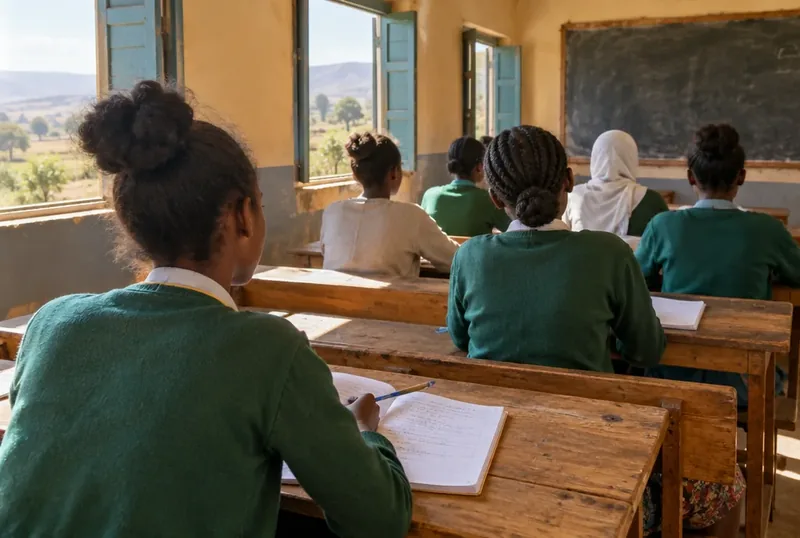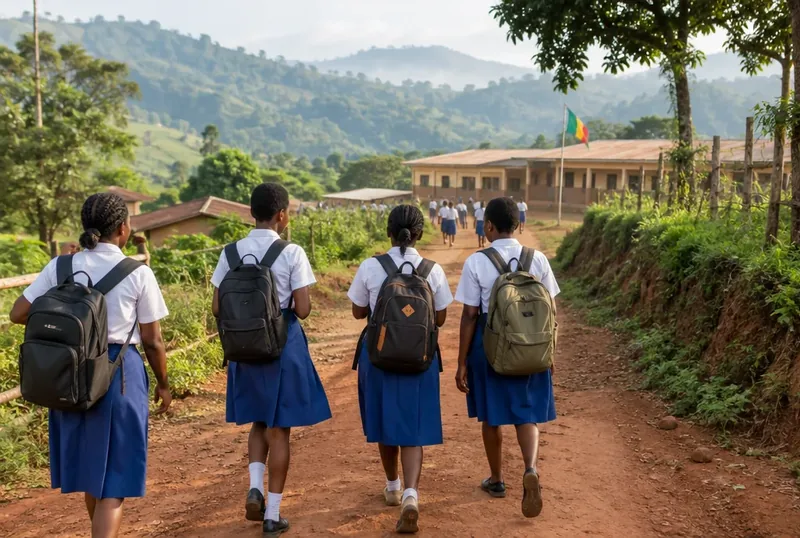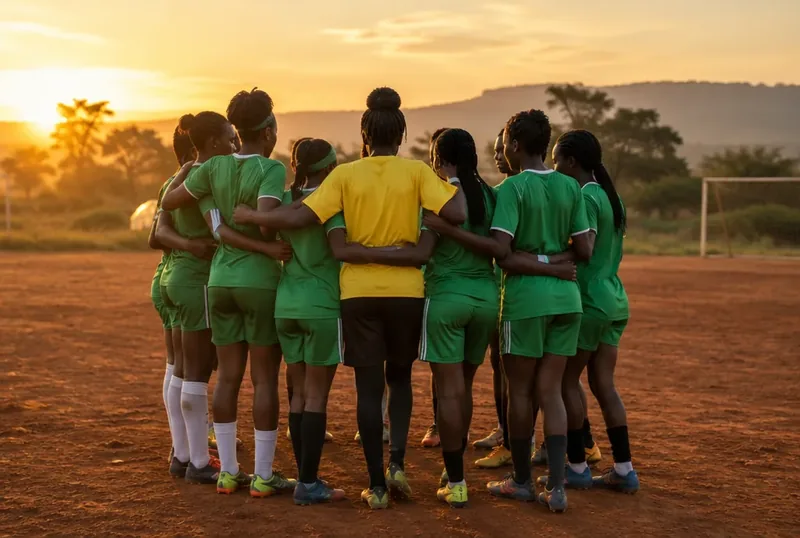
The key facts about women’s rights are these: women worldwide have only about two-thirds (67%) of the legal rights men have, earn about 84 cents for every dollar men earn, do 76% of unpaid care work, and hold 27.5% of parliamentary seats. Nearly one in three women has experienced partner or sexual violence. The global gender gap was 68.8% closed in 2025, up from 68.5% in 2006; at that pace, full parity would take 123 years. The sections below cover the milestones, the activists, and the barriers that remain in law, work, health, and safety.
Key Milestones in the History of Women’s Rights
The global fight for equal rights has evolved over generations through grassroots organizing and international treaties. In 1848, Elizabeth Cady Stanton and Lucretia Mott organized the Seneca Falls Convention in the United States, the first women’s rights convention in the country, declaring that all men and women are created equal. In 1893, New Zealand became the first self-governing nation to grant women the right to vote.
International legal frameworks expanded following the Second World War. When the United Nations Charter was drafted in 1945, women delegates at the founding San Francisco conference ensured it became the first international treaty recognizing the equal rights of men and women. In 1946, the UN Commission on the Status of Women was established as the first global intergovernmental body dedicated entirely to gender equality. The Universal Declaration of Human Rights followed in 1948 as the first global document proclaiming that fundamental rights belong to everyone, with Hansa Mehta of India ensuring Article 1 declared “all human beings” rather than “all men” are born free and equal. In 1979, the UN General Assembly adopted the Convention on the Elimination of All Forms of Discrimination against Women (CEDAW), now ratified by 189 countries as the second-fastest treaty to enter into force. Further progress followed with the 1993 World Conference on Human Rights in Vienna, which explicitly recognized women’s rights as human rights, the 1995 Beijing Declaration and Platform for Action adopted unanimously by 189 countries, the 2000 UN Security Council Resolution 1325 on Women, Peace and Security, and the 2010 creation of UN Women from four separate UN bodies.
Notable Female Activists Who Reshaped History
Behind major shifts in policy stand rights activists who challenged unequal power structures. In the Dominican Republic, the Mirabal sisters, Patria, Minerva, and Maria Teresa, were assassinated in 1960 for opposing the Trujillo dictatorship; their legacy led to November 25 being designated as the International Day for the Elimination of Violence against Women. In Kenya, Wangari Maathai founded the Green Belt Movement in 1977, mobilizing women to plant over 30 million trees. In 2004, Maathai won the Nobel Peace Prize, marking the first time the prize was awarded mainly for environmental work linked to women’s rights.
Diplomatic leadership has also played a decisive role. Eleanor Roosevelt chaired the UN Human Rights Commission and famously read an open letter to the women of the world at the first session of the UN General Assembly, urging women’s involvement in international affairs. In Pakistan, Malala Yousafzai survived a Taliban attack and addressed the United Nations on her 16th birthday in 2013, demanding education for all girls worldwide.
Women’s Rights Statistics: Education, Work, and Economic Empowerment
A closer look at women’s rights statistics reveals deep disparities in the economic sphere. While global workforce participation for women reached 41.2% in 2024, women’s representation in the labor force has remained virtually unchanged for decades. Employment remains heavily concentrated in lower-paying industries, with women comprising 58.5% of workers in healthcare and care and 52.9% in education. Even though women outperform men at tertiary education levels, only 29.5% of tertiary-educated senior managers are women. The following table highlights critical indicators governing women’s economic opportunities and legal status worldwide:
| Measurement Area | Global Status | Underlying Structural Impact |
|---|---|---|
| Legal Equality | 67% of men’s legal rights | No economy out of 190 assessed grants women equal economic opportunities; 21 economies do not grant equal ownership rights to immovable property, including land. |
| Gender Wage Gap | 84 cents per dollar | Represents a 16% wage gap, improving only from 80 cents in 2006 to 84 cents in 2023. |
| Unpaid Care Work | 76% performed by women | More than 16 billion daily hours spent on care keeps 708 million women outside the labor force. |
| Education | 133 million girls out of school | Includes 64 million girls of primary school age worldwide. |
| Political Representation | 27.5% parliamentary seats | Representation growth has slowed, and parity in national legislative bodies will not be achieved before 2063. |
Reproductive Rights and Maternal Health Realities
Access to reproductive healthcare remains central to female autonomy and well-being. Worldwide, the maternal mortality ratio dropped by about 40% between 2000 and 2023, yet about 260,000 women still died in 2023 from preventable pregnancy-related causes. That is over 700 women every day, or one death almost every two minutes. Stark geographic inequality defines this burden, with 92% of maternal deaths occurring in low- and lower-middle-income countries. In low-income countries, a woman carries a 1 in 66 lifetime risk of maternal death, compared to 1 in 7,933 in high-income countries, marking a 120-fold difference.
Reproductive rights mean that women can decide freely whether and when to have children, and can get contraception, safe maternal care, and safe abortion services where the law allows. They also include freedom from harmful practices such as forced marriage and FGM.
Bodily autonomy is further curtailed by unsafe medical procedures and restrictive legal environments. Worldwide, 6 out of 10 unintended pregnancies and 3 out of 10 of all pregnancies end in induced abortion. However, 45% of all induced abortions remain unsafe, with 97% of unsafe abortions occurring in developing countries. Between 13,865 and 38,940 maternal deaths each year are caused by unsafe abortion, while complications cost health systems in developing countries an estimated US$ 553 million annually. Evidence shows that legal restrictions do not reduce the number of abortions, but dramatically affect whether they are safe.
The Global Impact of Gender-Based Violence
Widespread violence against women remains an acute human rights emergency. Nearly one in three women globally, an estimated 840 million, have experienced intimate partner or sexual violence in their lifetime, a figure that has barely changed since 2000. Within the last 12 months alone, 316 million women (11% of women aged 15 and older) were subjected to physical or sexual violence by an intimate partner.
The most lethal form of gender-based violence occurs within the home. In 2024, out of 83,000 women and girls killed intentionally, 50,000 lost their lives at the hands of intimate partners or family members. That is 137 women and girls each day, or one death every ten minutes. While only 11% of male homicides were perpetrated by partners or family, 60% of all intentional killings of women and girls were committed by intimate partners or family members. Africa has the highest rate of these partner and family killings, at 3 victims per 100,000 women. Harmful traditional practices compound these dangers: over 230 million girls and women alive today have undergone female genital mutilation (FGM), and over 2 million girls undergo the practice before their fifth birthday every year, while 4 million girls remain at risk annually.
Common Myths About Gender Inequality
Several persistent misconceptions distort public understanding of the rights of women:
- Myth: Passing a law guarantees equal rights. In reality, only 4% of women live in countries close to full legal equality, and legal experts estimate that laws supporting women’s economic participation are enforced only halfway globally, despite 68 economies enacting 113 legal reforms between 2023 and 2025.
- Myth: Child marriage is a relic of the past. Over 650 million women and girls alive today were married before their 18th birthday, with nearly half (45%) living in South Asia and India alone accounting for one-third of the world’s child brides. While 68 million child marriages were averted in the last 25 years and the proportion of women aged 20 to 24 married before age 18 dropped from 22% to 19% over the past decade, child marriage remains widespread.
- Myth: Progress on women’s rights only moves forward. A Beijing+30 review revealed that nearly one in four countries now reports an active backlash against gender equality, with laws and policies that quietly roll back women’s rights, freedoms, and protections.
Frequently Asked Questions
How have women’s rights changed over time?
Since New Zealand became the first self-governing nation to grant women the right to vote in 1893, female political representation has expanded, with women holding 27.5% of national parliamentary seats worldwide as of 1 January 2026, compared to 11% in 1995. The global maternal mortality ratio dropped by about 40% between 2000 and 2023, and the proportion of women aged 20 to 24 married before age 18 fell from 22% to 19% over the past decade. Nonetheless, systemic barriers persist, and closing the global gender gap will require an estimated 123 years at the current pace.
What is the theme of Women’s Day 2026?
The United Nations theme for International Women’s Day 2026 is “Rights. Justice. Action. For ALL Women and Girls.” International Women’s Day 2026 marked 115 years since the first National Woman’s Day was held in New York City in 1909. The theme was selected because a Beijing+30 review revealed that nearly one in four countries now reports an active backlash against gender equality, sometimes through laws that quietly roll back women’s rights.
What are five essential facts about human rights and gender?
First, Article 1 of the 1948 Universal Declaration of Human Rights affirms that all human beings are born free and equal in dignity and rights. Second, Article 2 prohibits distinction of any kind, including sex, in the enjoyment of rights and freedoms. Third, the UN Charter of 1945 was the first international treaty to recognize the equal rights of men and women. Fourth, the 1993 World Conference on Human Rights in Vienna was the first international declaration to explicitly recognize women’s rights as human rights. Fifth, Hansa Mehta of India successfully ensured that Article 1 declared “all human beings” rather than “all men.”
What major barriers to equality do women still face today?
Women enjoy only two-thirds (67%) of the legal rights of men globally, and no economy out of 190 assessed grants women equal economic opportunities. Women perform 76% of unpaid care work, face an average 16% wage gap, and confront systemic exclusion: 21 economies do not grant women equal ownership rights to immovable property, including land, and 133 million girls remain out of school.